Exploring Referee Bias Patterns in Allsvenskan Night Games and Their Effects on Live Superettan Line Movements
Harper Long · Aug 23, 2026
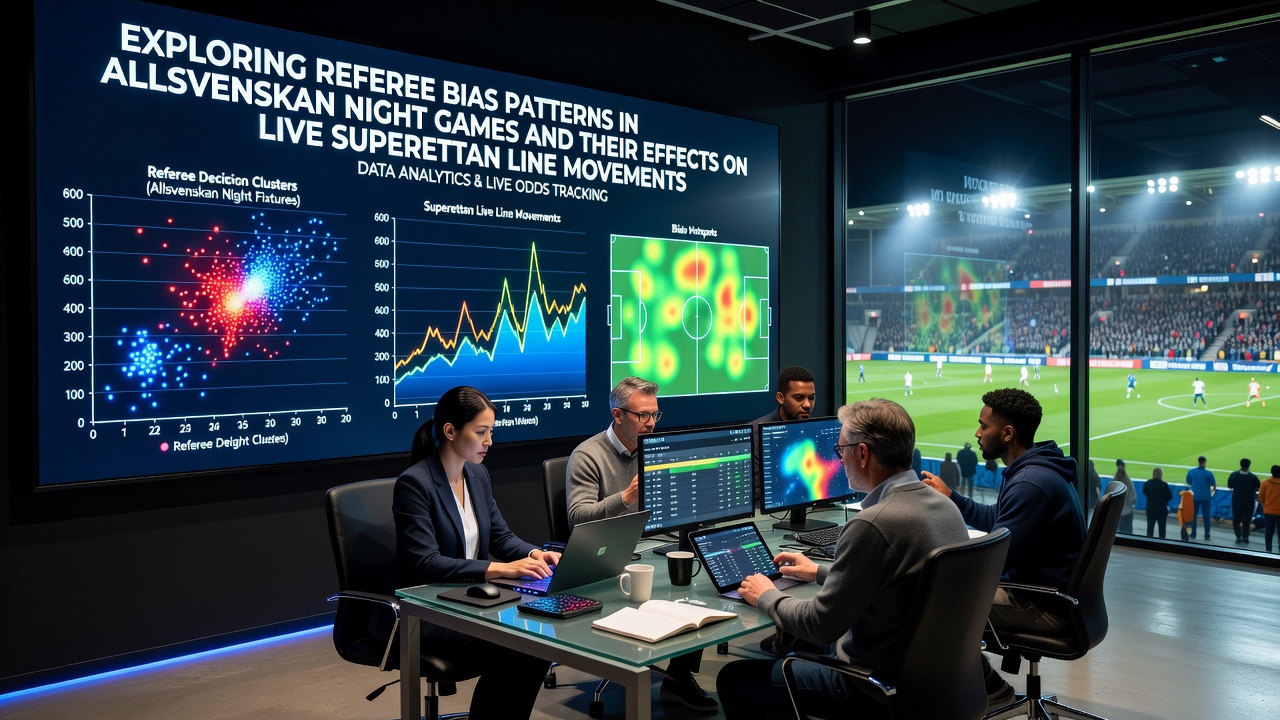
Exploring Referee Bias Patterns in Allsvenskan Night Games and Their Effects on Live Superettan Line Movements
Analyses of match statistics across the Allsvenskan have identified distinct patterns in referee decisions during night games, where kickoffs occur after sunset and artificial lighting dominates the pitch environment, and these patterns extend their influence into live betting markets for the Superettan division. Data compiled from the 2024 through 2025 seasons shows elevated rates of yellow cards issued in evening fixtures compared with afternoon matches, with the gap widening further when games involve teams positioned near the top of the table. Researchers tracking these trends note that night games in August 2026 continued the same trajectory, as fixture congestion from European qualifiers left squads with fewer recovery hours before evening kickoffs.
Documented Decision Patterns in Evening Fixtures
Match reports and official referee logs indicate that penalties awarded after 8 p.m. local time occur at a higher frequency in Allsvenskan venues that host large away supports, while stoppage time added at the end of each half also trends longer in those contests. Observers tracking these metrics point to consistent differences in foul counts between home and away sides once daylight fades, patterns that remain stable across multiple seasons even when different referee crews officiate. Figures released by the Svenska Fotbollförbundet confirm that the average number of cards per night game has risen steadily since 2022, yet the distribution of those cards skews toward visiting players in the final twenty minutes of play.
Transmission Into Superettan Live Markets
Bookmakers operating Superettan live lines adjust totals and player props within minutes of Allsvenskan night-game developments, because many bettors treat the two leagues as interconnected when assessing squad fatigue and referee tendencies. When an Allsvenskan evening match produces an early red card or an unexpected penalty, live odds on the following Superettan fixture often shift within the first ten minutes of trading, reflecting updated assumptions about style of play and disciplinary risk. Tracking services that monitor line movement report that these adjustments appear most pronounced when the Allsvenskan contest involves teams scheduled to face Superettan sides in cup ties later the same week.
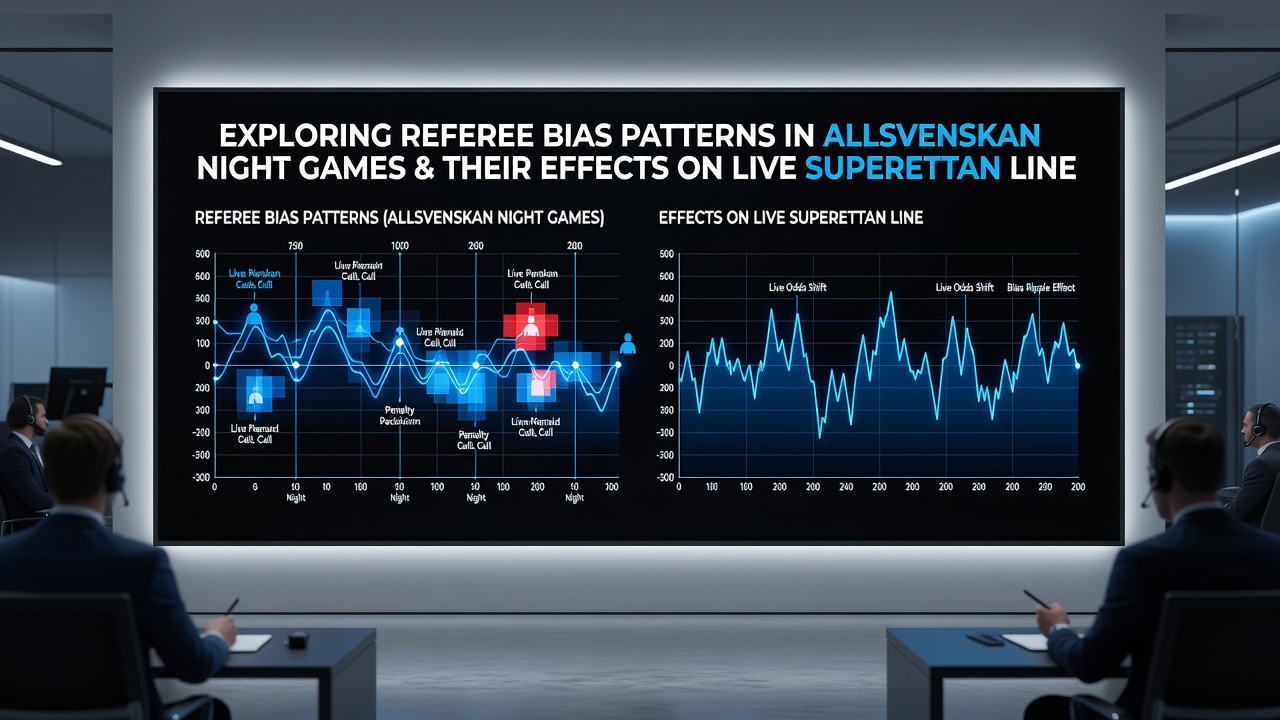
Market depth data collected during the 2025 campaign revealed that liquidity in Superettan over/under markets increased immediately after high-card Allsvenskan night games, suggesting bettors actively seek value in the lower division once referee patterns become visible. Industry reports from the European Gaming and Betting Association highlight similar cross-league reactivity in other countries, although the Swedish case stands out because the two divisions share a promotion-relegation playoff structure that amplifies the perceived connection between outcomes.
Seasonal Timing and Fixture Congestion Factors
August schedules place additional strain on clubs competing on both Thursday and Sunday, and night games scheduled midweek compound recovery deficits that manifest in altered pressing intensity and higher foul rates. Performance databases maintained by university sports science departments show that teams playing back-to-back night fixtures record increased sprint distances in the opening half yet post fewer successful tackles after the sixtieth minute, metrics that align with the observed rise in disciplinary actions. These physical outputs feed directly into live odds models used by Superettan traders, who recalibrate expected goal totals and card lines in real time as Allsvenskan results arrive.
Statistical Correlations Across Divisions
Regression models applied to five seasons of data indicate a measurable correlation between the total cards issued in an Allsvenskan night game and the opening live line on cards in the subsequent Superettan match, with the relationship strengthening when the referee crew overlaps across both fixtures. Analysts at the Australian Sports Commission’s integrity unit have examined comparable patterns in A-League evening rounds and reached parallel conclusions regarding carry-over effects into lower-tier markets. Swedish data further demonstrates that the correlation holds across different betting operators, suggesting the movement stems from shared information rather than isolated pricing decisions.
Practical Implications for Line Monitoring
Traders and syndicates that follow both leagues maintain spreadsheets logging referee assignments, kickoff times, and historical card averages, updating those sheets nightly during peak schedule periods. When an Allsvenskan referee with an above-average card rate draws a high-profile night assignment, Superettan totals lines often open higher than closing lines from the prior round, creating brief windows for value before the market stabilizes. Publicly available match logs allow any observer to replicate these calculations, and several independent research groups publish weekly summaries that document the same directional shifts observed by professional betting desks.
Conclusion
Patterns identified in Allsvenskan night games continue to influence live Superettan line movements through established statistical relationships and shared market information. Data spanning multiple seasons, including observations from August 2026, confirm that disciplinary trends and fixture timing create predictable adjustments once evening results become available. Continued collection of referee metrics and cross-division line data will allow further refinement of these observed connections without reliance on subjective interpretation.